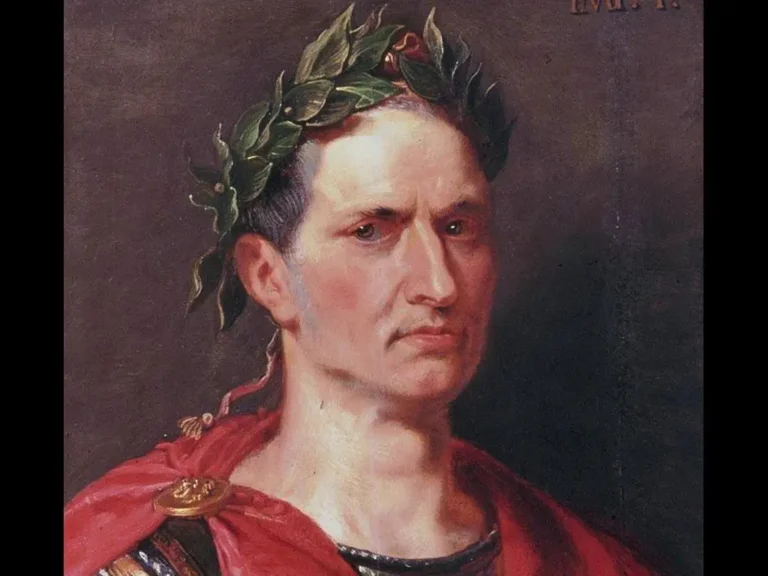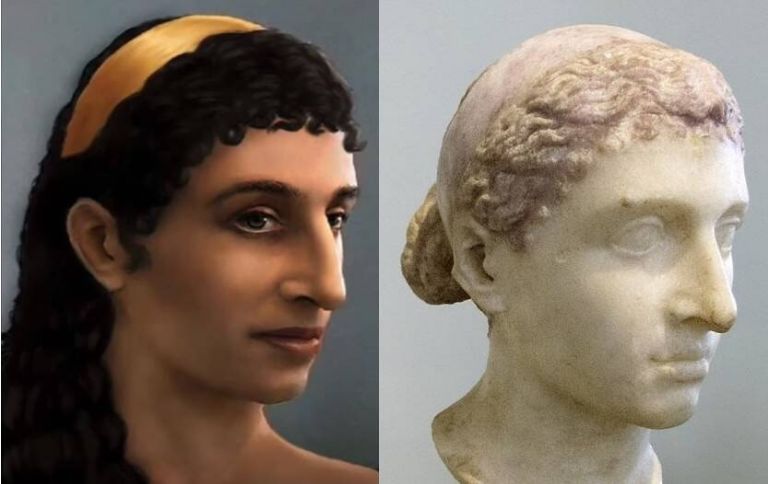
Cleopatra VII was the last pharaoh of ancient Egypt and a formidable figure whose story continues to captivate the world. Famed for her intellect, political savvy, and legendary relationships with two of Rome’s most powerful men, her life was a dramatic saga of power, ambition, and tragedy. Here are the five key moments that defined her story.
The 5 Keys to Cleopatra’s Story
You may also be interested in: How many kids did Cleopatra have?
- A Ruthless Rise to Power: Cleopatra was the last ruler of the Ptolemaic dynasty, a Greek family that had ruled Egypt for nearly 300 years. Ascending to the throne in 51 BC at just 18 years old, she quickly proved to be a powerful and savvy leader. She was a skilled manipulator, fluent in several languages, and used her charm and intelligence to create alliances, consolidate her power, and eliminate potential rivals within her own family.
- The Alliance with Julius Caesar: Cleopatra met the Roman dictator Julius Caesar in 48 BC. The two quickly became lovers and political allies. Caesar was instrumental in helping Cleopatra defeat her brother and co-ruler, securing her position on the Egyptian throne. Their relationship had a significant impact on the political climate of the Roman Republic and produced a son, Caesarion.
- The Partnership with Mark Antony: After Caesar’s assassination, Cleopatra formed a new alliance with Mark Antony, another powerful Roman leader and a member of the Second Triumvirate. Their political partnership evolved into a passionate romance, and together they attempted to challenge the rising power of Octavian, Julius Caesar’s ambitious heir.
- Defeat and Tragic Suicide: The power struggle between Antony and Octavian culminated in the naval Battle of Actium in 31 BC, where the combined forces of Antony and Cleopatra were decisively defeated. Facing the humiliation of being captured and paraded through Rome as a captive in Octavian’s triumph, both Mark Antony and Cleopatra committed suicide. Her death marked the end of the Ptolemaic dynasty, and Egypt became a province of the Roman Empire.
- An Enduring Legacy: Cleopatra is remembered as one of the most powerful women in history. Her legacy is not just political but also cultural; she was a patron of the arts and sciences and helped fund the great Library of Alexandria, one of the most important centers of learning in the ancient world. Her story of beauty, intelligence, and political ambition has made her the subject of countless works of art, literature, and film.