Was Detective Sherlock Holmes Real or Fictional?
For a long time, whether jokingly or seriously, many people have sent letters addressed to Mr. Sherlock Holmes at 221B Baker Street, the fictional home of a character so vivid he became real in the public’s imagination. This phenomenon was born from the immense fondness for the novels written by Sir Arthur Conan Doyle.
But the detective was, of course, conceived by his creator’s imagination. However, the character was not entirely fictional; he was based on a real person named Dr. Joseph Bell, a medical lecturer from Edinburgh.
Watch our latest Shorts!
According to Conan Doyle’s own description, his teacher was “thin, wiry, with black hair, a sharp face, and a powerful nose.” Bell was a skilled surgeon who was renowned for his remarkably accurate diagnoses.
Conan Doyle was his student and served as his assistant, taking notes on patients’ cases. These cases were often used as part of practical lessons observed by a large number of students.
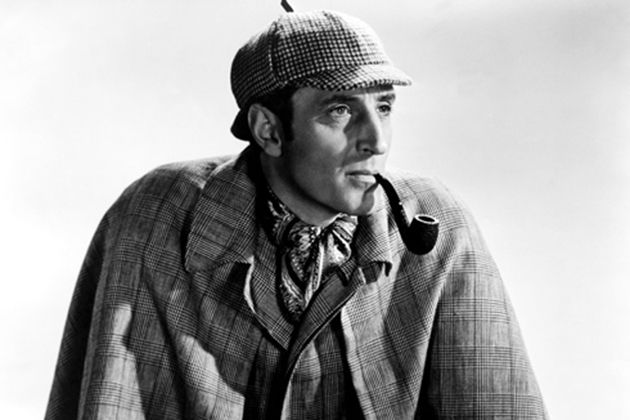
When Conan Doyle informed his teacher of his intention to create a literary detective based on his deductive abilities, Joseph Bell was delighted. He even offered ideas for plots, though it seems the writer did not end up using them.
From Sherringford to Sherlock
Conan Doyle also drew inspiration from other literary detectives, such as Edgar Allan Poe’s C. Auguste Dupin. Before settling on the name Sherlock Holmes, he considered other options, such as Sherringford. However, he preferred Sherlock, which he felt was “a name as sharp as the blade of a knife.”