⛓️ Blockchain: what is it 💁

Contents
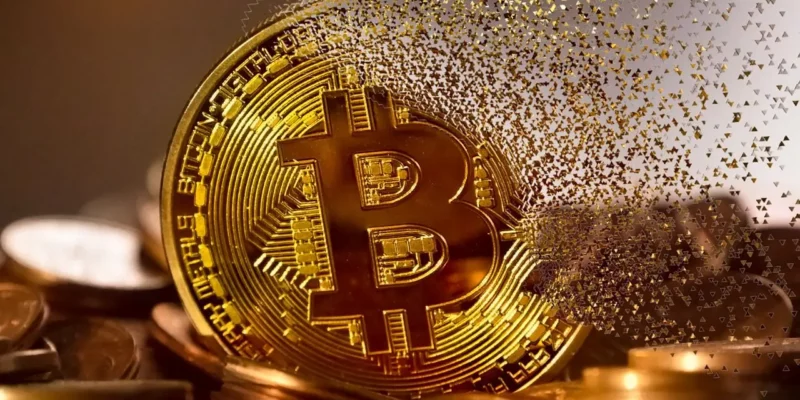
The appearance of cryptocurrencies has changed the landscape of finance around the world. It is not yet clear if bitcoin is a currency as we know the dollar, the euro or the pound… but there is no doubt that it exists and that all kinds of transactions are carried out around it.
All this is true, but we know what Blockchain is. Let’s explore the subject…
Cryptography, a word composed of two words, which come from the Greek, on the one hand κρύπτos (kryptós), which means «hidden», and, on the other hand, from γραφή, which means «writing», both offer us in their sense literally a curious signifier: “hidden writing”; something that is decisive for Blockchain and cryptocurrencies to replace (or coexist with) physical money, as we know it today.
All this happens through the incessant incorporation of all of us, to a greater extent in the younger generations, to the digital world. And, with the supposed security offered by cryptography, commercial transactions with virtual currencies become possible.
But what is Blockchain?
It is true, we have already talked about Blockchain, but we have not defined it yet. The new technology known as Blockchain is the technology that deals with bitcoin or Ether (ETH) transactions.
Blockchain transfers and divides information with precision, this makes it possible for both people, individually, or companies that trade to exchange cryptocurrencies such as bitcoin 360 ai.
It can be said that we are facing a virtual and public database, thanks to which any of us can access it and operate economically.
Some companies have already introduced, as means of payment for their services, Bitcoin. An example of this is found in certain real estate companies. But where this new form of economy is succeeding the most is in the world of digital marketing. Something, completely understandable for being its means of birth and development.
Should the current economy fear the irruption of cryptocurrencies and the Blockchain?
the digital wallet
Finally, with the digital wallet, transactions can be made easily and quickly through your device or a computer application.
The clear disadvantages of the new digital money
What is the future of Blockchain?
Well, by its very meaning, it is an uncertain future. To this day, today, cryptocurrencies have carved a niche for themselves in the reality that surrounds us, and they are becoming more and more popular, but we cannot be sure what will happen: whether governments and traditional economic authorities will be able to control them or , at least, they will be able to regulate them enough so that they do not pose a problem to the consumer. Only time (we are journalists, not futurologists) will tell us if the traditional economy will succumb to the traditional one.