Since the end of World War II, Adolf Hitler has awakened both repulsion and a dark fascination. Every new discovery related to the reviled German leader captures public attention. So, imagine the excitement surrounding documents that could offer direct insight into his private thoughts and feelings.
Any news about Hitler raises public expectation, but what would a personal diary reveal?

This must have been what the editors of the prestigious German magazine *Der Stern* were thinking in 1983 when they announced a sensational discovery: they had found Adolf Hitler’s personal diaries. After publishing several fragments, the world was captivated.
Watch our latest Shorts!
The story they presented was that 62 volumes of the diary had been rescued by farmers from a plane that crashed in 1945 and had been kept secret ever since. To verify their authenticity before publication, *Der Stern* commissioned three different graphological analyses to confirm the handwriting was Hitler’s. In all three cases, the results came back positive.
To prevent leaks, only two historians were allowed a brief look, and both declared they were confident the content was real. The magazine paid a staggering 10 million German marks for the material and prepared a massive global campaign for their publication.
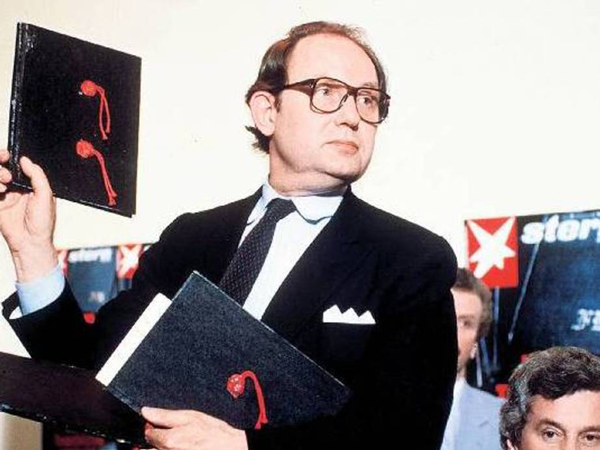
However, the moment the diaries were made public, the story began to unravel. Historians who were able to read them immediately pointed out that they were filled with glaring historical errors. Soon after, forensic specialists confirmed the truth: the paper, ink, and bindings used to create the diaries were all modern.
The entire affair was exposed as an elaborate forgery. An illustrator named Konrad Kujau was revealed to be the forger and was sentenced to forty-two months in prison for the scam. The top editors at *Der Stern* were forced to resign in public shame, leaving the episode as one of the biggest scandals in journalistic history.
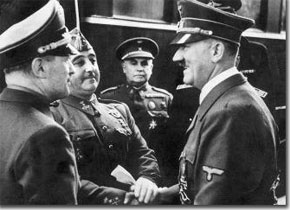
The forged diaries promised to reveal Hitler’s secret thoughts on pivotal moments of the war, such as his strategic meeting with Spanish dictator Francisco Franco in Hendaye, offering a tantalizing, albeit fake, glimpse into his mind.
It’s a chilling thought that the man meticulously planning the fate of Europe during this meeting was the same individual who, years earlier, had been a struggling artist twice rejected by the Vienna Academy of Fine Arts. The story of Hitler’s failed art career offers a glimpse into the frustrations that may have shaped his path to power.