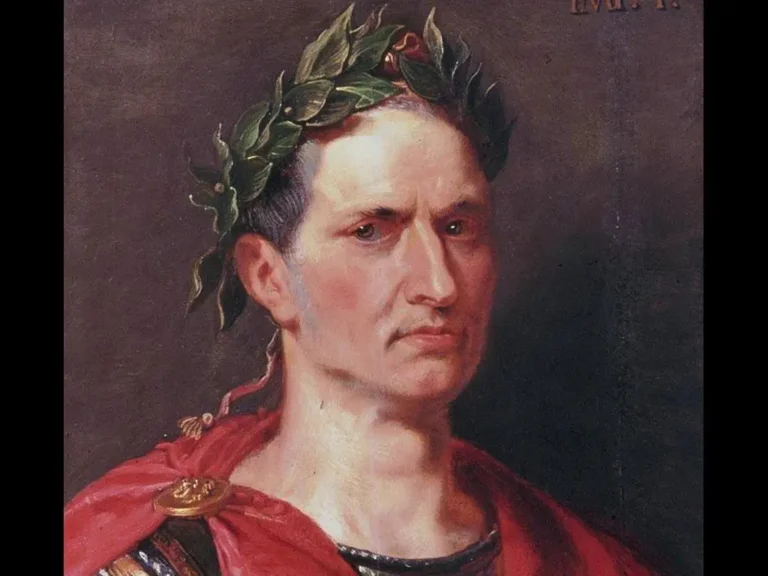
The Roman historian Livy (Titus Livius) used the term *Hispania* with a casual familiarity, suggesting that by his time, the name was already deeply rooted and universally understood. But where did this ancient name, which would eventually become “Spain,” truly come from?

The ‘Land of Rabbits’ Theory: A Phoenician Origin
Watch our latest Shorts!
In the 20th century, the German historian and archaeologist Adolf Schulten proposed that the name originated from a Punic (Phoenician) root word. This theory, which is the most widely accepted today, traces the name back to the Phoenician term **i-spn-ya**, documented as far back as the second millennium BC. It is believed to mean “land of the hyraxes,” which the Phoenicians likely mistook for the peninsula’s abundant rabbit population. Thus, Hispania essentially meant **”Land of Rabbits.”**
While this theory is popular, it is not universally accepted by all etymologists, who study the origin of words.
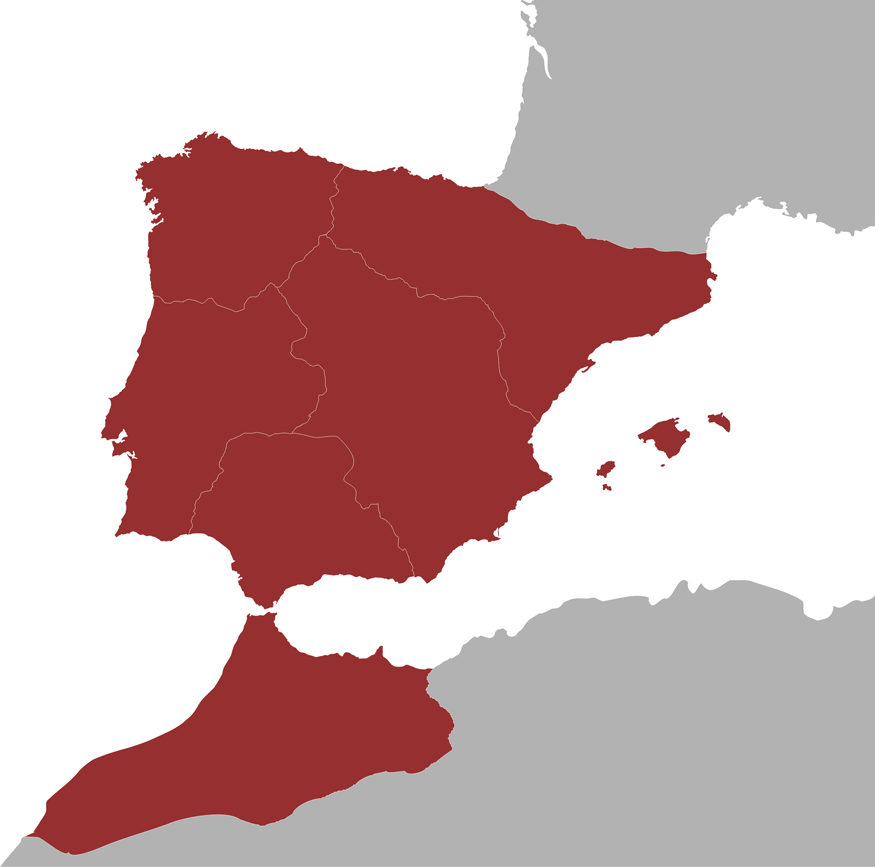
The Shape of a Bull’s Hide: A Greek Description
The Greek geographer and historian Strabo offered a more poetic description. Acknowledging the difficulty of accurately mapping the coastline in his time, Strabo observed that the shape of the Iberian Peninsula resembled a stretched-out **bull’s hide**. In his vision, the Pyrenees mountains formed the neck and the Rock of Gibraltar represented the tail. Through such descriptions, Strabo gave the peninsula a magical and extraordinary air, a land where “the Lusitanian mares were fertilized by the wind.”
Ophioússa: The ‘Land of Snakes’
Before it was known as Iberia, the ancient Greeks called the peninsula **Ophioússa**, which means **”Land of Snakes,”** likely due to the abundance of reptiles. The reason for the evolution of the name to **Iberia** is unknown, but it is thought that Greek explorers adopted the word because they constantly heard the native inhabitants use the term *iber*. This word may have been a geographical term, perhaps referring to the Ebro River (*Iberus* in Latin).
In the end, whether it was a land of rabbits or snakes, or shaped like the hide of a bull, the early names for the Iberian Peninsula were descriptive, reflecting what ancient visitors saw. From the Roman *Hispania*, the name evolved over centuries into the modern *España*, complete with its distinctive “ñ”—a letter as unique as the land it represents.
Read the original article in Spanish