The life and misfortunes of Cayetano of Bourbon-Two Sicilies
Throughout Spanish history, royal figures have been given all sorts of nicknames and epithets that have endured for centuries. We have, for example, the unfortunate King Charles II “The Bewitched,” Joanna I “The Mad,” or Alfonso X “The Wise.” However, among the pages of history lies the husband of a famous Infanta—Isabel “La Chata”—who had the misfortune of being known among European royal houses in the late 19th century as “The Jinx” (or El Gafe).
Watch our latest Shorts!
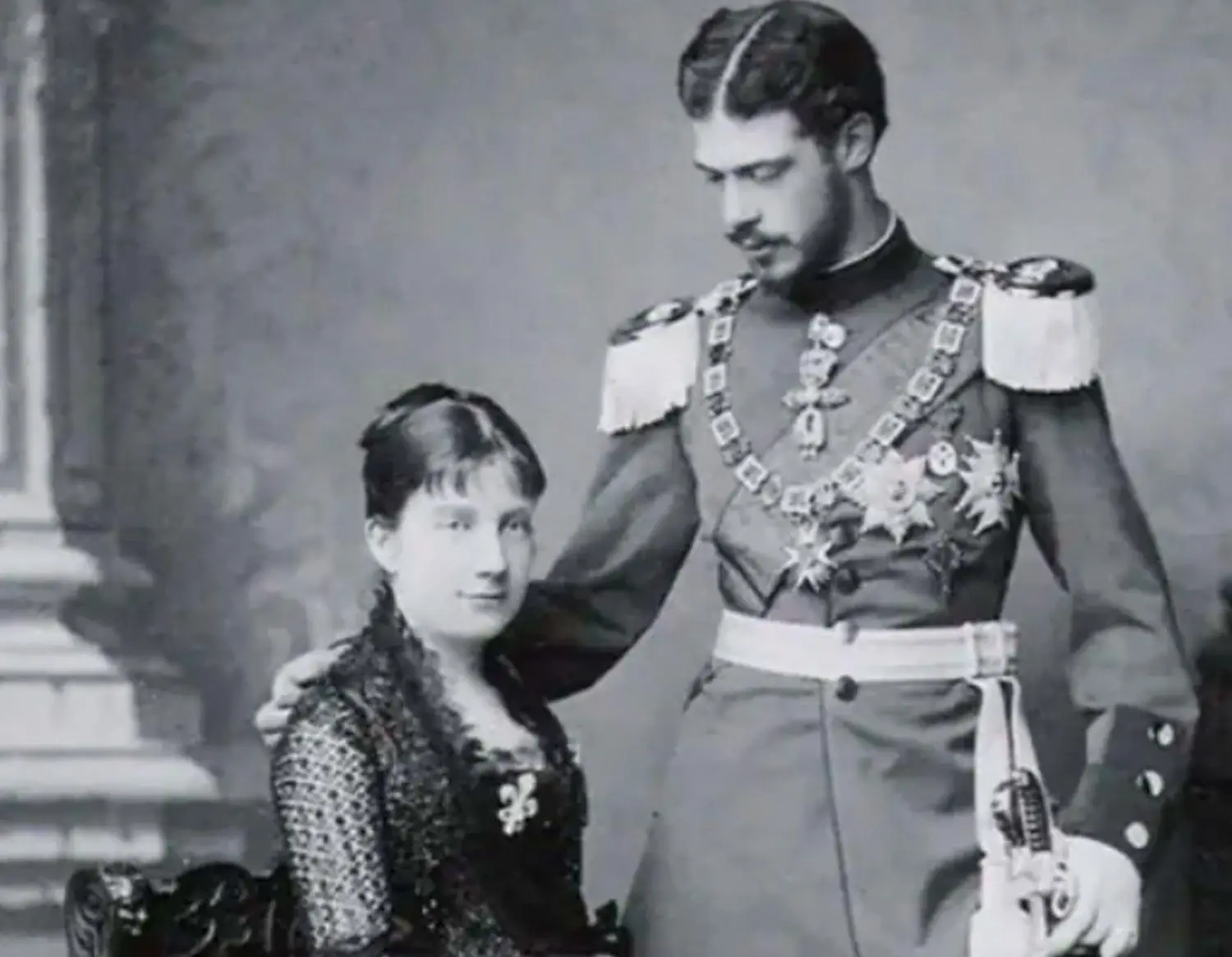
His name was Don Cayetano of Bourbon-Two Sicilies, and he held the title of Count of Girgenti. Born on January 12, 1846, he was the sixth son of King Ferdinand II of Naples and his second wife, Maria Theresa of Austria.
When did the stigma of the “jinx” begin for Cayetano?
The reputation of this Italian prince as a bringer of bad luck began early. On the very day of his birth, a cornice fell from the Royal Palace of Caserta, where Cayetano had just been born, causing significant damage. Later, on the day of his baptism, a lit candle fell and nearly set the chapel on fire.
Coincidences or “misfortunes” like these followed him throughout his life, quickly earning him the label of a “jinx.” Even his own family eventually began to avoid his company. While poor Cayetano had little to do with these events, his “bad luck” was even blamed for the fall of the Neapolitan monarchy in 1861 during the Italian unification led by Garibaldi.
Cayetano: An Infante of Spain by Marriage
Queen Isabella II of Spain sought to protect her Italian Bourbon relatives after they lost their throne. To mend political ties, she arranged a marriage between her eldest daughter, Isabel (second in line to the throne), and the exiled prince.
The “luck” fell to Don Cayetano. He was made an Infante of Spain just days before his marriage to Infanta Isabel on May 13, 1868. Juan Balansó, in his book The Crown Diamonds, notes that the groom’s brother reportedly wrote upon hearing the news: “Poor Isabel! She won’t stay on the throne for long.”
The Glorious Revolution and Exile
This prediction was eerily accurate. Only a few months later, while the couple was on their honeymoon, the Glorious Revolution broke out in Spain, ending the reign of Isabella II. This was the second throne Cayetano had “lost” in his lifetime.
Despite the bad omens, Cayetano fought for his mother-in-law’s cause at the Battle of Alcolea, reportedly charging into combat shouting: “Long live my mother-in-law!” However, the royalist troops lost, and the family was forced into permanent exile.
Settled in Lucerne, Switzerland, with limited means, Cayetano’s health deteriorated. He suffered from frequent epilepsy and severe depression. Convinced that his “jinx” would never allow him to be happy, he committed suicide by shooting himself in the head on November 26, 1871, at the age of 25.
Infanta Isabel remained a widow until her death in 1931. The “jinxed” Infante now rests in the Pantheon of the Infantes at El Escorial, a tragic figure whose legacy was forever tied to the superstition of ill fortune.
Learn more: Juan Balansó’s The Crown Diamonds offers numerous anecdotes about Cayetano’s life. For a deeper dive into his wife’s perspective, María José Rubio’s La Chata is highly recommended.
🧠 Cognitive Audit: Historical pattern recognition is essential for deep learning. This simulation tests your ability to connect the misfortunes of the "Jinxed Infante" with the wider political collapse of the 19th-century Spanish monarchy. Enhance your memory reflexes!