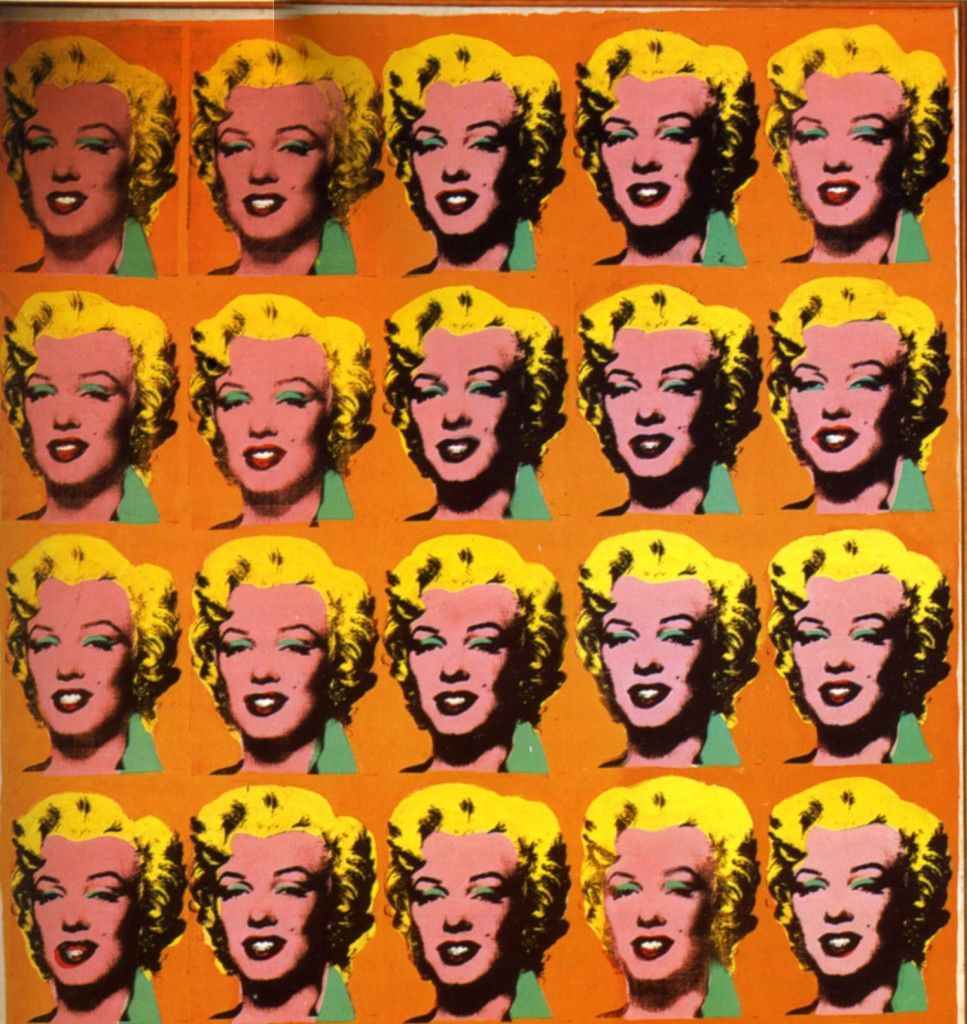
Andy Warhol created his iconic work, Twenty Marilyns, shortly after the death of actress Marilyn Monroe in 1962. It remains one of the most significant pieces of the Pop Art movement.
The Explanation of ’20 Marilyns’ on Video
Watch our latest Shorts!
Warhol based this series on a publicity photograph by Gene Korman for the 1953 film Niagara, starring Monroe alongside Joseph Cotten and Jean Peters. Over four months, Warhol worked on more than twenty different paintings based on this single image, a method he called the “assembly line effect.”

The Explanation of ‘Twenty Marilyns’ by Andy Warhol
The underlying idea was to use the repetitive image of a celebrated actress to critique what society considers a ‘work of art’ in an age of infinite, serial reproduction. Warhol’s work was a direct commentary on the prevailing philosophy of the mass media.
Warhol sought to critique what is considered a ‘work of art’ in a world that embraces the infinite and serial reproduction of any object as artistic.
Furthermore, Warhol’s choice of Marilyn Monroe was deliberate. He wanted to question the distinction between popular art and the art of the elite, creating a paradoxical communion between the two worlds.

Warhol chose silkscreen printing because it allowed him to reproduce the same image with slight variations. Each time he lifted the screen from the canvas, the result was slightly different, meaning he never had total control over the final outcome.
The Silkscreen Process
The process involved applying the photographic image to the canvas, spreading black ink over it, and then manipulating the template. This created the distinct shadows and ‘spots’ seen in the final painting. Afterward, Warhol applied color to the hair, lips, and skin, leaving only Marilyn’s teeth bright white. The cheerful and bright colors were not chosen randomly; Warhol’s goal was to achieve an artificial, manufactured effect, even if the result appears somewhat naturalistic.

‘Twenty Marilyns’ and Art History
Many art critics have noted the similarities between Warhol’s repetitive portraits and the Byzantine icons of the Catholic tradition, which often feature repeated images of saints. In a final irony, while Warhol aimed to critique celebrity icons and the concept of the ‘masterpiece,’ his own work has become both—an iconic piece of art that defines not only his career but also an entire era.


